
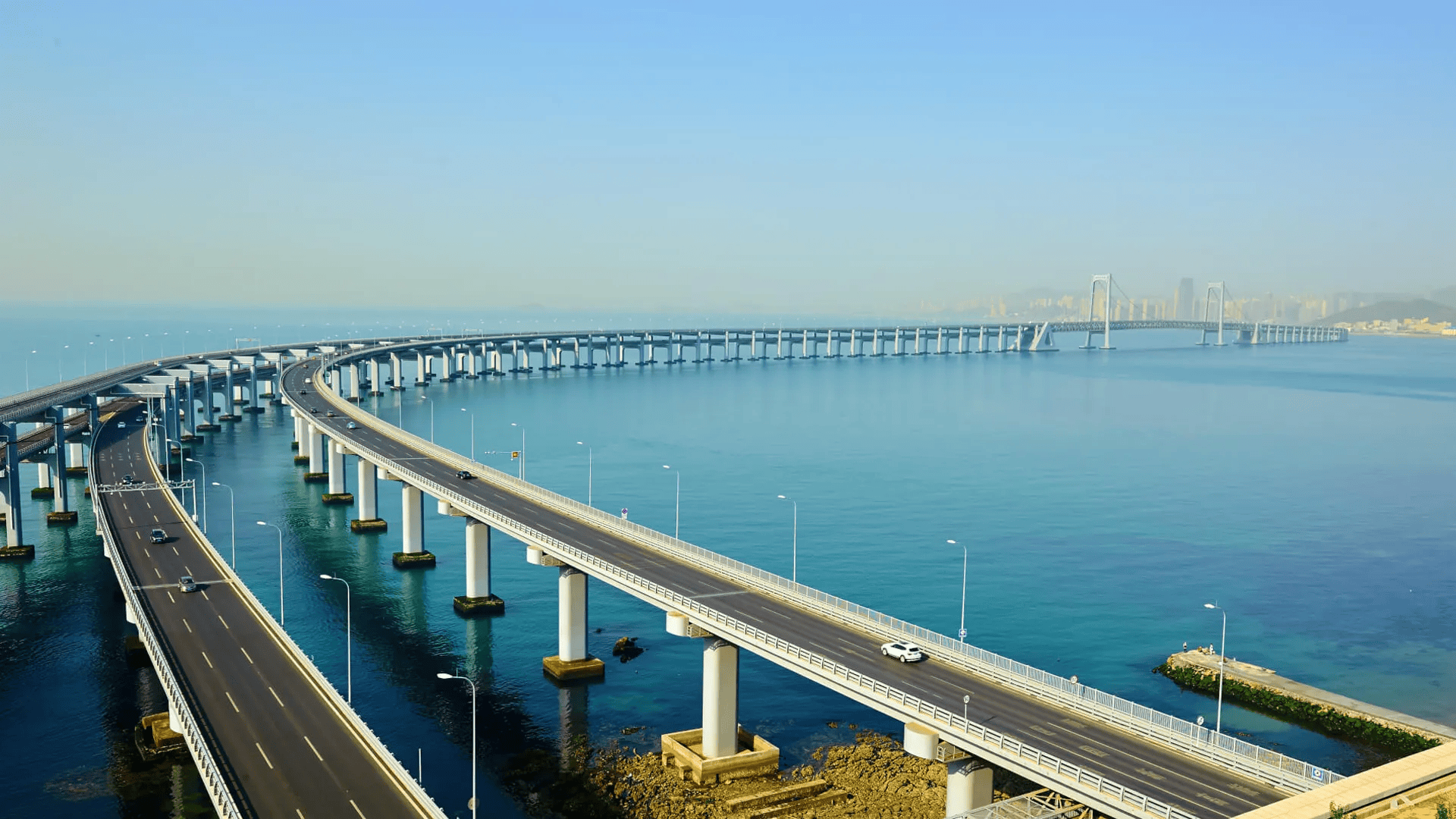
Navi Mumbai International Airport: Why It’s the Biggest Growth Engine in MMR
Navi Mumbai International Airport is not just an aviation project . it is a mega growth engine transforming infrastructure, employment, and real estate across Navi Mumbai and nearby locations. Here’s how this airport is reshaping the future of the Mumbai Metropolitan Region (MMR).
1/6/20262 min read

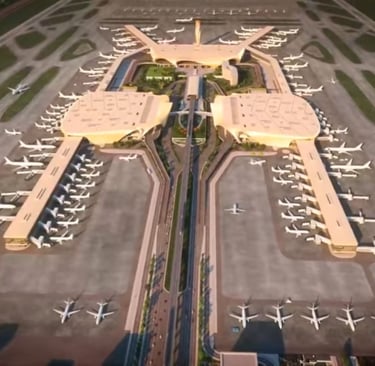
The Navi Mumbai International Airport is one of India’s most ambitious greenfield airport projects. Built to reduce pressure on Mumbai’s existing airport, it will directly connect Navi Mumbai to global destinations and unlock large-scale economic development.
Unlike standalone infrastructure, this airport is surrounded by planned road, metro, rail, logistics, and commercial ecosystems, making it a powerful catalyst for long-term growth.
Why Navi Mumbai Airport Is a Game Changer for MMR
✈️ 1. Strategic Location & Connectivity
The airport is strategically located between Panvel, Ulwe, and Dronagiri, offering excellent connectivity through:
Mumbai Trans Harbour Link (MTHL)
NH-4 & NH-48 highways
Upcoming metro corridors
Suburban & express rail links
This multi-modal connectivity reduces travel time from South Mumbai, Central Mumbai, Thane, and even Pune—making Navi Mumbai a central hub rather than a peripheral city.
🏗️ 2. Infrastructure-Led Development at Scale
Mega projects like airports trigger planned urban development. Around Navi Mumbai Airport, we are already seeing:
Wider roads & flyovers
Utility upgrades (water, power, drainage)
Smart city planning by CIDCO
This ensures long-term livability, not chaotic expansion—something investors and homebuyers strongly value.
Neighbourhood-Wise Development Impact
📍 Ulwe: The Closest Residential Beneficiary
Ulwe is the nearest residential node to the airport and one of the biggest gainers.
Developments driving growth:
Direct access to airport & MTHL
New commercial & retail zones
Improved social infrastructure
Why it matters:
Ulwe offers early-stage pricing with strong appreciation potential, making it ideal for investors and first-time buyers.
📍 Panvel: The Ultimate Connectivity Hub
Panvel sits at the junction of road, rail, metro, and airport connectivity.
Key growth drivers:
Airport proximity
Railway junction (Harbour, Central & Konkan)
Upcoming commercial hubs
Why it matters:
Panvel is transforming from a transit town into a self-sustained urban centre with strong end-user and rental demand.
📍 Dronagiri: Employment & Logistics Powerhouse
Dronagiri lies close to the airport and JNPT port, making it ideal for logistics and industrial growth.
What’s coming up:
Warehousing & logistics parks
Industrial & employment zones
Affordable residential development
Why it matters:
Employment-led growth ensures long-term rental stability and sustainable real estate appreciation.
Economic & Employment Impact
The airport will generate:
Direct jobs (airport operations, airlines, security)
Indirect jobs (hotels, logistics, retail, transport)
This will lead to:
Permanent housing demand
Growth in rental market
Rise of mixed-use developments
Real estate growth here is demand-driven, not speculative.
Why Investors Are Eyeing Airport-Influenced Locations
Entry prices still lower than Mumbai
Multiple infrastructure projects working together
Long-term appreciation visibility (5–10 years)
Strong rental demand from professionals
Airport-driven markets historically outperform traditional residential zones.
Expert Insight
Globally, cities that develop around major airports evolve into aerotropolis zones—combining business, logistics, hospitality, and residential growth. Navi Mumbai is on the same trajectory, backed by strong government planning and execution.
