
Schools, Hospitals & Social Infrastructure Coming After Navi Mumbai Airport Development
The Navi Mumbai International Airport is not only boosting connectivity and jobs—it is accelerating the development of schools, hospitals, malls, and lifestyle infrastructure across nearby neighbourhoods. Here’s how social infrastructure will reshape real estate demand.
1/13/20262 min read
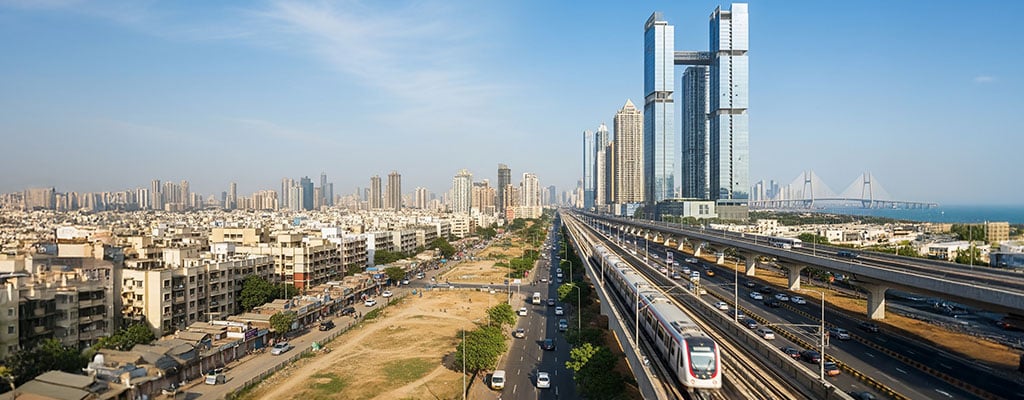
Major infrastructure projects trigger more than just real estate growth—they transform how cities live, learn, and work. The Navi Mumbai International Airport is acting as a catalyst for social infrastructure development across Ulwe, Panvel, Dronagiri, and established Navi Mumbai nodes.
As population and employment increase, schools, hospitals, retail, and lifestyle amenities naturally follow, strengthening long-term livability and property value.
Why Social Infrastructure Follows Airport Development
🏗️ 1) Population Growth Drives Demand
Airport operations create:
Direct aviation jobs
Logistics and hospitality employment
Service-sector workforce
This growing population requires education, healthcare, retail, and recreation, pushing rapid development of social infrastructure.
🏫 2) Government & Private Investment Focus
Airport-influenced zones receive priority attention from:
Urban planning authorities
Private education groups
Healthcare chains and developers
This ensures planned, sustainable community development, not random expansion.
Key Social Infrastructure Developments to Expect
🏫 Schools & Educational Institutions
As residential demand grows, new education facilities emerge:
International & CBSE schools
Pre-schools and daycare centres
Colleges and skill-development institutes
Impact on real estate:
Family-oriented buyers prefer areas with nearby schools, increasing end-user demand and price stability.
🏥 Hospitals & Healthcare Facilities
Healthcare infrastructure is critical for long-term livability:
Multi-specialty hospitals
Clinics & diagnostic centres
Emergency and trauma care facilities
Impact on real estate:
Proximity to hospitals improves resale value and rental demand, especially for families and senior citizens.
🛍️ Retail, Malls & Lifestyle Zones
Airport-driven population growth supports:
Shopping malls & high-street retail
Restaurants, cafés, and entertainment zones
Hotels, serviced apartments, and business centres
Impact on real estate:
Lifestyle infrastructure enhances daily convenience and upgrades the perception of the locality.
Location-Wise Social Infrastructure Growth
📍 Ulwe
New schools, clinics, and retail spaces
Neighbourhood markets and daily-use amenities
Real estate effect:
Transforms Ulwe from an investor market to a family-friendly residential hub.
📍 Panvel
Established hospitals & colleges expanding
New malls and commercial centres
Real estate effect:
Panvel becomes a self-sustained urban city, attracting both buyers and tenants.
📍 Dronagiri & Logistics Belt
Gradual addition of basic healthcare & schools
Workforce-focused amenities
Real estate effect:
Supports long-term rental stability and affordability-led demand.
📍 Vashi – Nerul – Kharghar
Already strong social infrastructure
Airport improves accessibility and value
Real estate effect:
Premiumisation of property values rather than fresh expansion.
Why Social Infrastructure Matters for Property Buyers
🏡 End-Users
Better lifestyle & daily convenience
Reduced travel for education & healthcare
Higher satisfaction and long-term stay
📈 Investors
Stronger resale demand
Lower vacancy risk
Stable price appreciation
Social infrastructure converts speculative locations into liveable, end-user-driven markets.
Expert Insight
Globally, airport-led cities evolve into complete urban ecosystems. Schools, hospitals, and lifestyle hubs ensure that growth is not temporary but sustainable. Navi Mumbai is now entering this mature phase of development.
🚀 Looking to invest or buy in a future-ready neighbourhood near the airport?
Explore residential projects surrounded by upcoming schools, hospitals, and lifestyle hubs with City Property Tour.
👉 Book your free location consultation today.
